Bible, History, Archaeology
History,
Archaeology
Home > Old Testament > The Story >
The oppression and the ten wounds of Egypt
Contents:
Mission of Moses - Sequence of wounds - The list of the Ten Wounds
Mission of Moses
When the enslaved Israelites sought to leave Egypt, Pharaoh said no.
According to a very ancient tradition and ancient documents in Hebrew and Greek handed down by history, Israel’s occupation of the land of Goshen in the delta, west of the Nile, and the actual oppression of the Hebrew people lasted approximately 80 years, perhaps even longer over the four centuries of their sojourn in Egypt (Exodus 7:1-13).
Their cries reached God, who sent Moses with the mission to free them (Exodus 2.23). Etenel charged him with performing miracles of unprecedented power (Psalms 78.12-43), signs intended to attract attention. These signs accredited Moses, accompanied by his brother Aaron, as God’s ambassador to the Hebrews (Exodus 4.8, 9, 30, 31; 8.22-23) and before Pharaoh (Exodus 3.20; 4.21). These were manifestations of authority, not mere natural phenomena.

An overview of the Nile at the height of the ancient city of Thebes, today known as Luxor. © givaga 1917032039.
Succession and evolution of wounds
The first three wounds were caused by Moses« brother Aaron, who “he took his staff and stretched out his hand over the waters of the Egyptians»(Exodus 7.14-25; 8.1-11; 8.12-15). In the group of the three following wounds, the first two are caused by God and the third by Moses (Exodus 8.16-28; 9.1-7; 9.8-12). The other three wounds by Moses extending his hand with his staff (Exodus 9.22–23; 10.12–13; 10.21 and the last without any mention of him).
Hailstones, locusts, etc.… None of these phenomena were new to the Egyptians, but they occurred with extraordinary intensity while sparing the Hebrews. The Ten Plagues all have a meaning: they demonstrate the power of God and the nullity of idolatry. The biblical scholars estimate the negotiation between Moses and Pharaoh over a period of about two years. In the face of Pharaoh’s refusal to let the people of Israel go, the Ten Plagues (literally ten «strokes») fell upon the land, affecting nature, the climate, and the people. These plagues are a response not only to the various idols of Egypt but also a very powerful teaching for the Hebrew people and for all of humanity:
«…You will have no other gods before my face.
You shall not make for yourselves any carved images, or any likeness of anything that is in the heavens above, or that is in the earth beneath, or that is in the waters under the earth. You shall not bow down to them, nor serve them…» (Exodus 20. 3-4).
Conclusion
At the tenth plague, Pharaoh capitulates and finally allows the Hebrew people to depart. According to the Bible, after the «dry» crossing of the Sea of the Chones, which closes in on the Egyptian army that was launched to pursue them, Moses leads the twelve tribes into the desert, towards Canaan, under the orders of the Lord.
The 400-year period and the exodus from Egypt profoundly marked the liturgy the feasts and the legislation of the people of Israel. The phrase « … because you were slaves in Egypt »It appears repeatedly in the Bible (Deuteronomy 5:15; 16:12; 24:18-22, etc.).
The day of the Exodus from Egypt becomes the first day of the first month of the Hebrew calendar (This day is called Roch Hachana («Retour»), a semi-festive celebration that opens the Aseret Yemei Techouva (ten days of repentance) and prepares to Yom Kippur (The Day of Atonement). For October 2026, we are in Tichri 5787 in the Hebrew calendar.
Here is the list of the Ten Wounds and their meanings
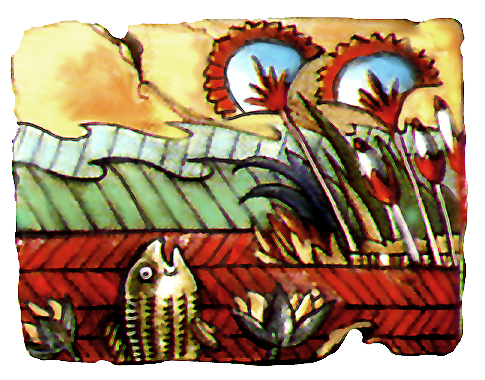
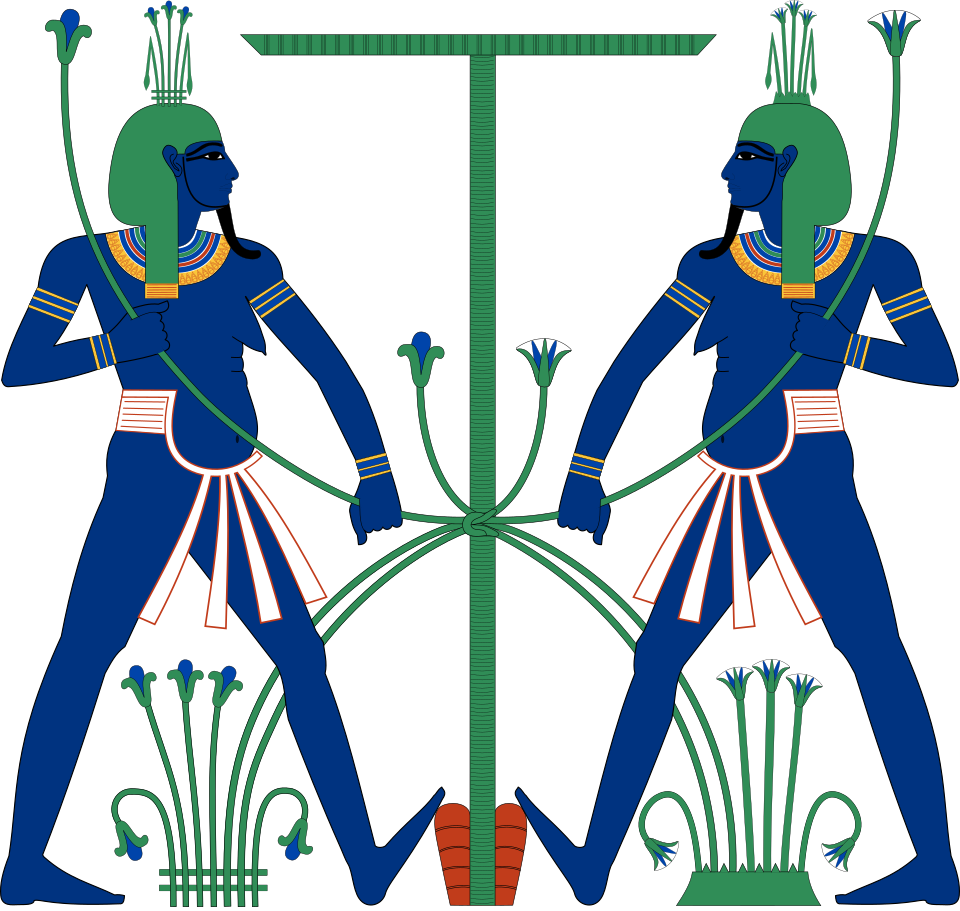 1. The waters of the river « … turned into blood. » : « …The Nile was disgusting, and the Egyptians could not drink from the river… »(Exodus 7.14-25). This plague seemed to target the god of the Nile, Hapi.
The death of the fish also affected the religion of the Egyptians, because they revered and even mummified certain species of fish.
Below: An illustration depicting the god of the Nile, Hapy
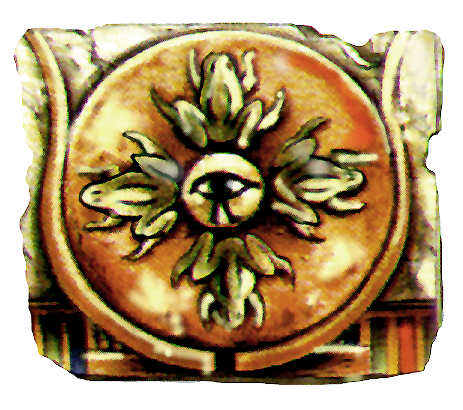
2. The invasion of the frogs: « … and the frogs came up and covered Egypt.» (Exodus 8.1-11).
This second wound discredited Héquet, the goddess with a frog's head considered a symbol of fertility.
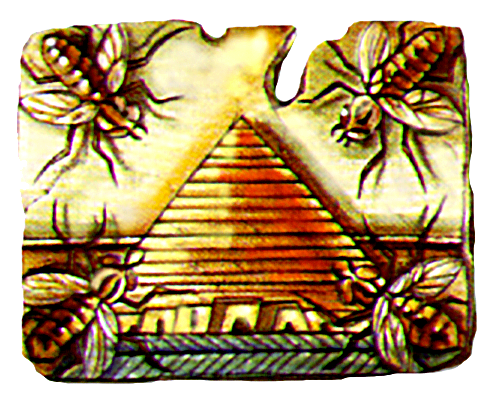 3. Fleas, ticks, insects: « … all the dust of the earth turned into lice… » (Exodus 8.12-15).
This third wound is the one in which the magicians of Egypt admit defeat because, unlike the first two wounds, they were unable to imitate this wound. It dealt a blow to the god Thoth, the «master of occult sciences» in Egypt.
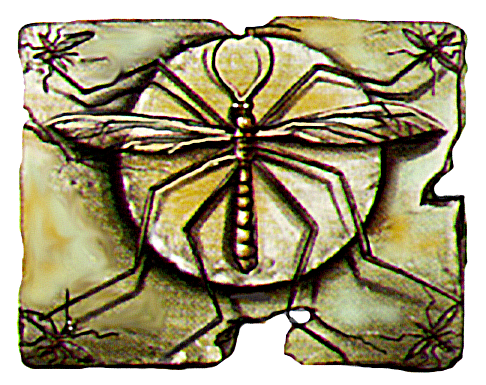
4. The swarms of venomous flies: « …large numbers of flies entered […] all over Egypt... »(Exodus 8.16-28). This fourth plague clearly marks the superiority of the Eternal over the magicians «disciples» of the god Thoth.
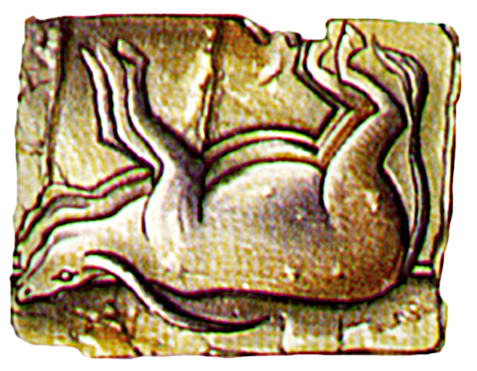
5. Livestock mortality (epizootie *) : « …all the flocks of the Egyptians died… » (Exodus 9.1-7).
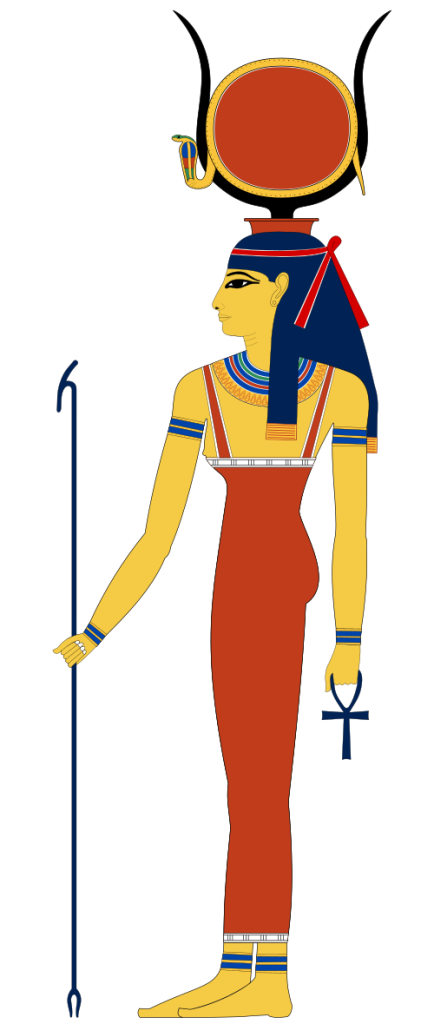
A form of plague attacks livestock. It humbles deities such as the goddess Hathor, Apis, or even Nout, the goddess of the sky whom the Egyptians considered a cow from which the stars were attached.
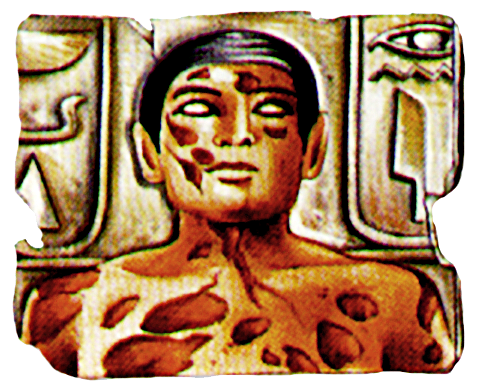
6. Ulcers, or pustules, affecting both men and animals:« …humans and animals were covered with ulcers growing into pustules… »(Exodus 9.8-12). The god and goddess doctors Hot, Isis and Ptah prove powerless.
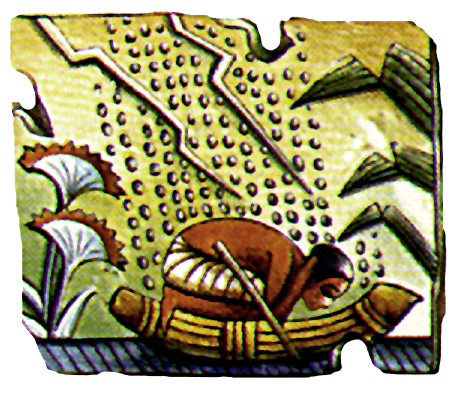
7. The hail: « …it fell from the hail all over the country, the land of Egypt… » (Exodus 9.13-35).
The deities Reshdou and Thot who were supposed to have mastery over the elements cannot do anything.
Below: A representation of the goddess Hathor
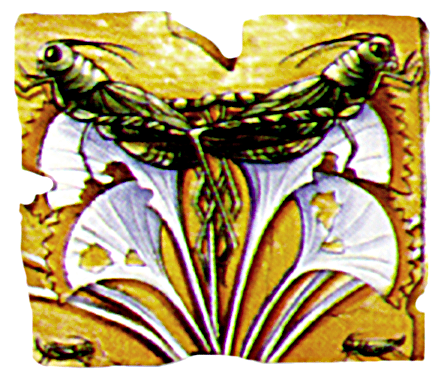
8. The locusts brought by the wind from the East: « …They covered the surface of all the land, and the land was in darkness; they devoured all the grass of the land and all the fruit of the trees; everything that the hail had left was gone, and there was no green thing left in the trees or in the plants of the field throughout all the land of Egypt… » (Exodus 10.1-20).
This wound inflicts a defeat on the god of fertility Min, the protector of crops.
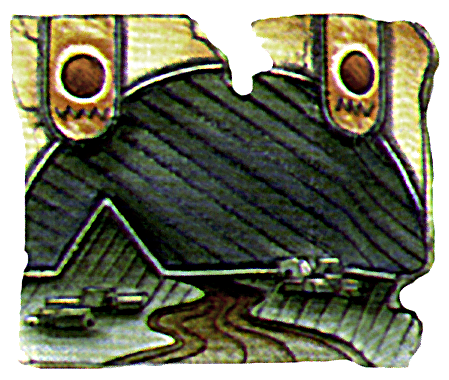
9. The darkness: « …there was thick darkness throughout all the land of Egypt for three days… » (Exodus 10.21-29).
The sun gods Ra and Horus, as well as Thoth the god of the Moon, prove powerless.
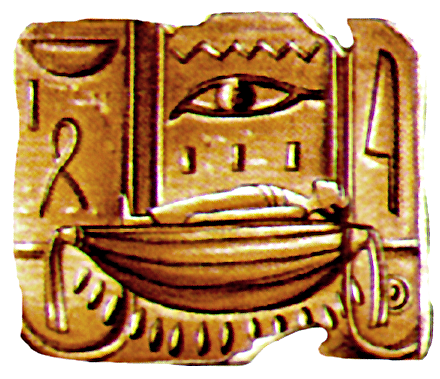 10. The death of all first-borns: « …and all the first-born will die in the land of Egypt… » (Exodus 11.1-10).
The last plague is the most terrible. It explains and crowns all the others: Egypt had struck the firstborn of the people of Israel. God, in turn, strikes the firstborn of the Egyptians. All the firstborn among humans and animals die in Egypt. The rulers of Egypt boasted of being of divine essence, the sons of the gods Ra or Amon-Ra. The son of Pharaoh was considered an incarnated god and was consecrated in his temple. From then on, the death of Pharaoh’s firstborn constituted in a sense the death of a god.
* epizootic: an epidemic that affects a large number of animals.
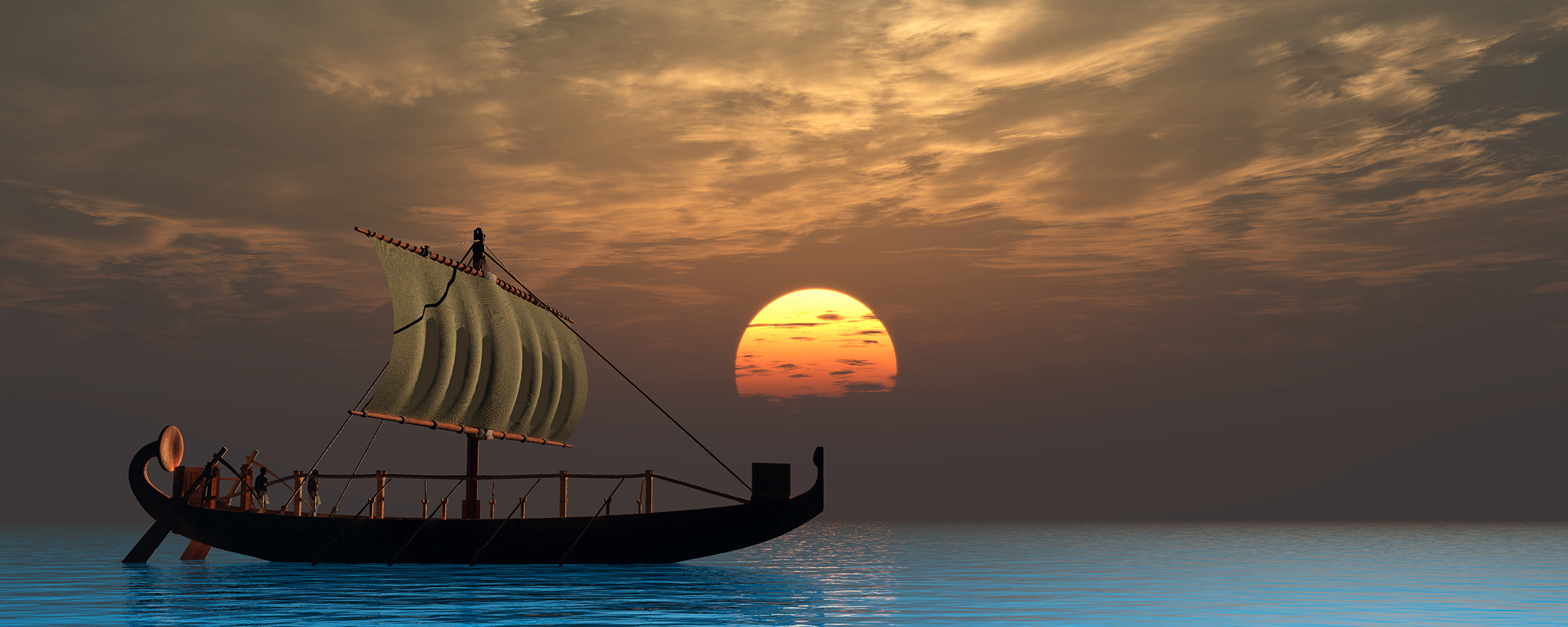
An illustration of an overview of the Nile with an Egyptian warship. © Catmando 1802099107.