


Bible, History, Archaeology
History,
Archaeology
Home > Old Testament >
Biblical manuscripts
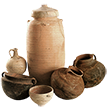
Biblical manuscripts, handwritten copies of sacred texts made before printing, are an invaluable historical and religious heritage for understanding the history of the Scriptures. The discovery of the Dead Sea Scrolls between 1947 and 1956 near Qumran revealed 970 Hebrew, Aramaic and Greek manuscripts dating from the 3rd century BC to the 1st century AD, representing the oldest known copies of the Hebrew Bible. The Sefer Torah illustrates the traditional rigor of transmission: this sacred manuscript contains 304,805 letters written in Hebrew by a skilled scribe over a period of 18 months, where the slightest error invalidates the entire text. These major discoveries, from the Great Isaiah Scroll to the recent Sassoon codex, continue to enrich our knowledge of the origins of Judaism and Christianity, while testifying to the extraordinary fidelity of their transmission down the centuries.