Bible, History, Archaeology
History,
Archaeology
Who were the Ammonites, Moabites and Edomites in the Bible?
Ancient Israel's neighbors east of the Jordan River
While the kingdoms of Israel and Judah controlled the land of Canaan, the kingdoms of Amman, Moab and Edom ruled east of the Jordan.
Although the Bible offers some information on these three Iron Age kingdoms, recent archaeological discoveries have revealed a more complete picture of these nations.
 Who were the Ammonites?
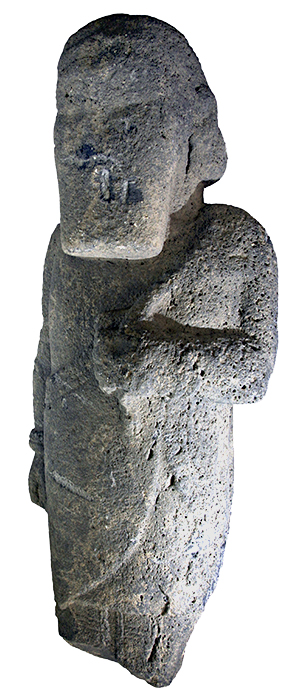
In the Bible, they are described as the descendants of Ben-ammi, son of Lot (nephew of Abraham) and youngest daughter of Lot (Genesis 19:38). The capital of the Iron Age kingdom of Amman was Rabah, located in present-day Amman, Jordan.
Image opposite: Ammonite king, 1.80 m high, dating from the Iron Age. This statue was unearthed in 2010 in Amman, Jordan. Joel S. Burnett.
Burnett describes Amman's borders: «The ammonite heartland included the north-central Transjordan plateau surrounded by the upper Jabbok ... within a 12.5-mile radius (about 20 km) around its capital, at the source of the Jabbok.»
The main deity of the Ammonites was the god Milcom. Depictions of this deity have come to light during archaeological excavations - as have representations of Ammonite kings, such as the monumental statue discovered at Rabah in 2010.
 Who were the Moabites?
 Who were the Moabites?
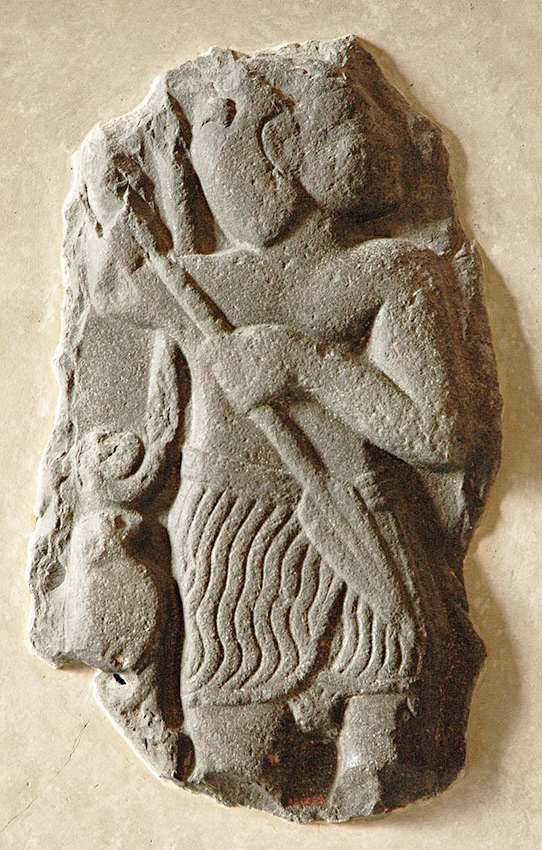
The Bible tells us that the Moabites were descended from Moab, the son of Lot and his eldest daughter (Genesis 19:37). The kingdom of Moab extended «North and south of the Arnon river» with its capital at Dibon. The Moabites worshipped the god Chemosh, who may be represented in the Balua’ stele (dated to the end of the Late Bronze Age).
Image opposite: a stele discovered at Shihân, depicting a warrior god (Kamosh, storm divinity?) brandishing a spear in the customary attitude of Levantine steles. Musée du Louvre. Théo Truschel.
The most famous Moabite king - at least according to archaeological research - is Mesha. The large inscription he left is the longest Moabite text discovered to date. It dates from the 9th century BC, the Mesha stele (now on display at the Louvre) tells the story of how King Mesha came into conflict with Israel, winning several victories over the latter.
 Who were the Edomites?
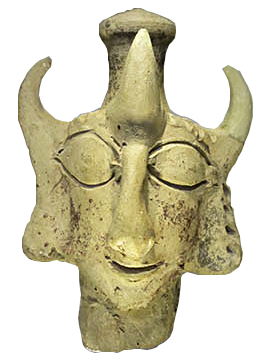 Who were the Edomites?
In the Bible, the Edomites are the descendants of Esau, Jacob's twin and Isaac's eldest son (Genesis 36). The Edomites controlled an area east of the Arabah, from Zered to the Gulf of Aqaba. Their capital was Bozrah, located in the northern part of their territory. Although no name of an Edomite deity is given in the Bible, archaeologists know from inscriptions that the main deity of the Edomites was Qaus (or Qos).
Image opposite: wearing a three-horned headdress, this Edomite goddess figurine was discovered at Horvat Qitmit. © «Goddess Edomite, Qitmit » by Chamberi is under license by-Scc-a-3. 0
Several Edomite cult sites and cult figurines have been discovered. One of the most notable is a representation of an Edomite goddess wearing a three-horned headdress from the site of Qitmit, Israel.
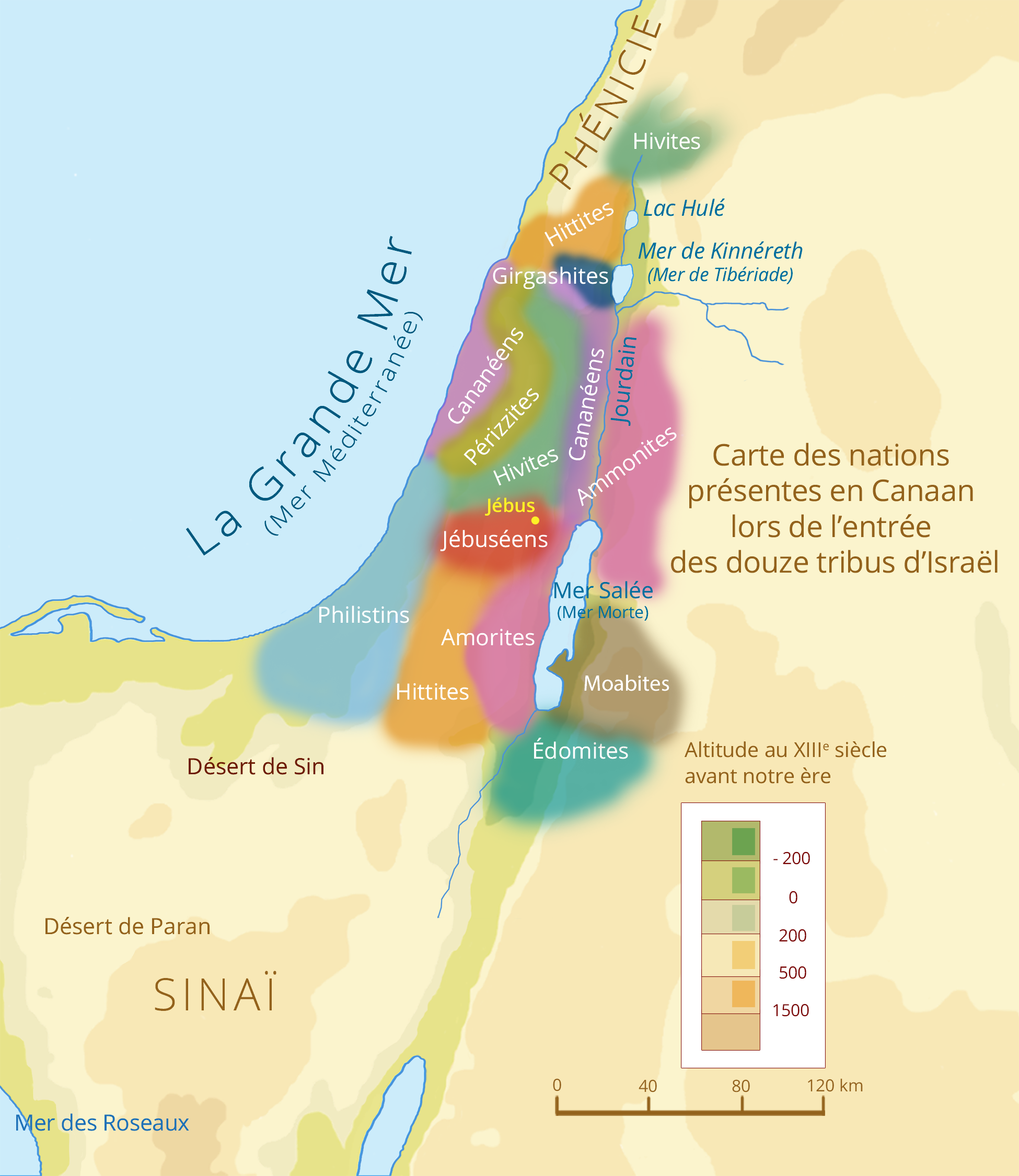
The kingdoms of Amman, Moab and Edom fought against the Israelites, and the Israelites fought for their territory. The Bible presents the elements from the Hebrews' point of view, and archaeological discoveries help us to show the other side of these conflicts.
Map of the various nations present in Canaan when the tribes of Israel entered. Théo Truschel/archeobiblion.fr