


Bible, History, Archaeology
History,
Archaeology
Home >
Artifacts
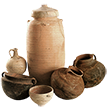
An archaeological artifact is a human-made or modified object discovered during an archaeological excavation. These objects can include tools, fragments of pottery, with or without inscriptions (ostracas), jewelry, and other items that bear witness to the lifestyles, beliefs and technologies of ancient societies. Artifacts are often classified with ecofacts, which are natural elements of archaeological significance, such as bones or seeds.
The word, of Latin origin, is made up of ars, artis (art), and the past participle of facere («to make»). It first appeared in English (artefact), and wasn't used in French until 1921. This explains why it's sometimes spelled «artefact», without an acute accent on the «e».