


Bible, History, Archaeology
Bible,
History,
Archaeology
Archeology
and the Bible
The definition of archeology
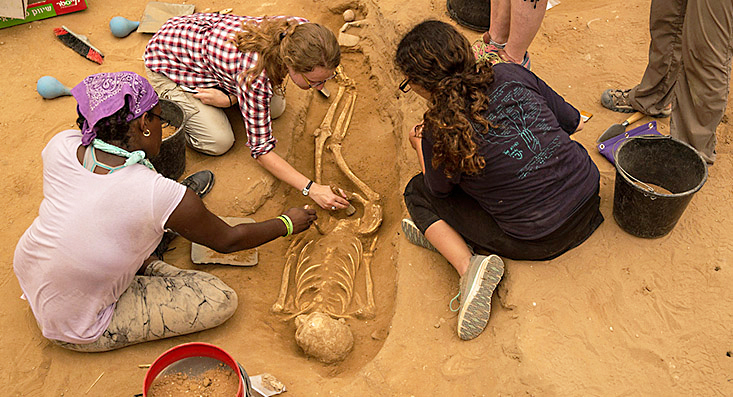 Archaeology is a historical science. Its object of study sare the material traces left by men (objects, buildings, infrastructures, etc.).
For this purpose, archaeologists have a range of tools at their disposal, including fieldwork (excavations and prospecting), scientific work (carbon 14, dendrochronology, thermoluminescence, etc.) and, if necessary, the consultation of contemporary texts concerning the material studied. With these tools, archaeologists analyse the material produced by men in order to determine their relationship to their environment.
Image Archaeology students digging up a skeleton during an excavation of the Philistine cemetery at Ashkelon National Park. REUTERS /Amir Cohen © REUTERS /Amir Cohen.
Archaeology helps reconstruct the life and history of men of the past with the help of the traces they have left us (ruins, bones, tools, paintings, pottery, weapons, coins, jewelry, clothing, etc.).
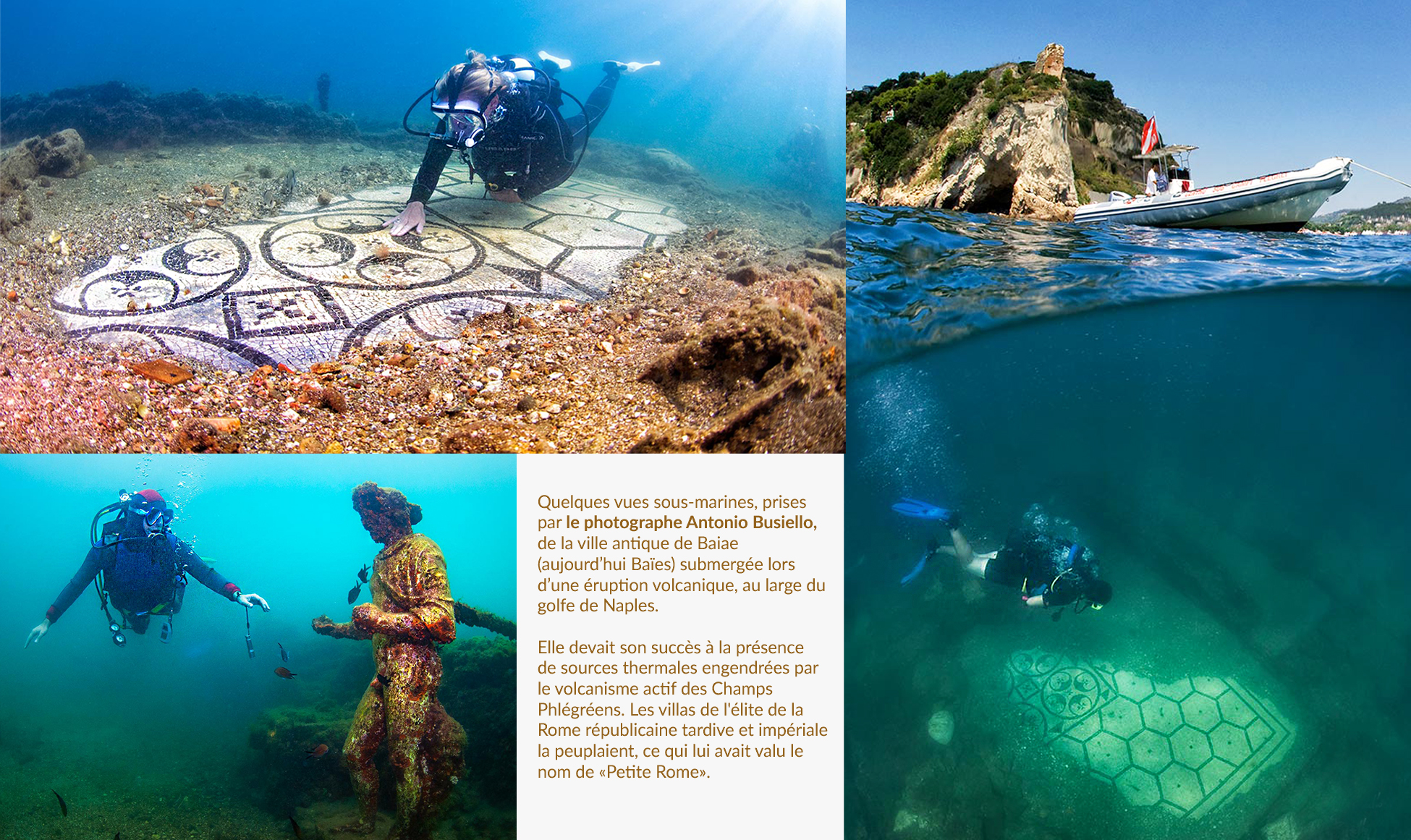
Below: some underwater images of the submerged city of Baiae. Its first archaeological excavations date back to 1923. By Amedeo Maiuri.
Antonio Busiello Photography.
→ http://www.antoniobusiello.com/
The pioneers of «biblical» archaeology
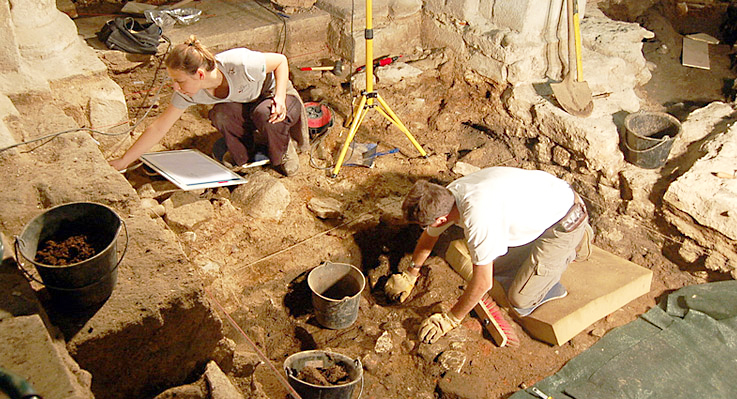 This particular «discipline» of archaeology is the study of the peoples and events mentioned in the Scriptures. The archaeologist uncovers and studies ruined stones, walls or buildings, as well as destroyed cities; he discovers pottery, clay tablets, inscriptions, tombs and other ancient remains, man-made objects, from which he draws certain information. These studies provide insight into the context in which the Bible was written.
Image opposite: an overview of excavations by two archaeologists. Les métiers de l'archéologie/Musée d'archéologie et l'Histoire de Visé/Cécile Lensen.
Archaeology has enriched our knowledge of all the biblical countries, i.e. the Levant, Egypt, Assyria, Babylonia, Persia, Asia Minor, Greece and Italy (Rome).
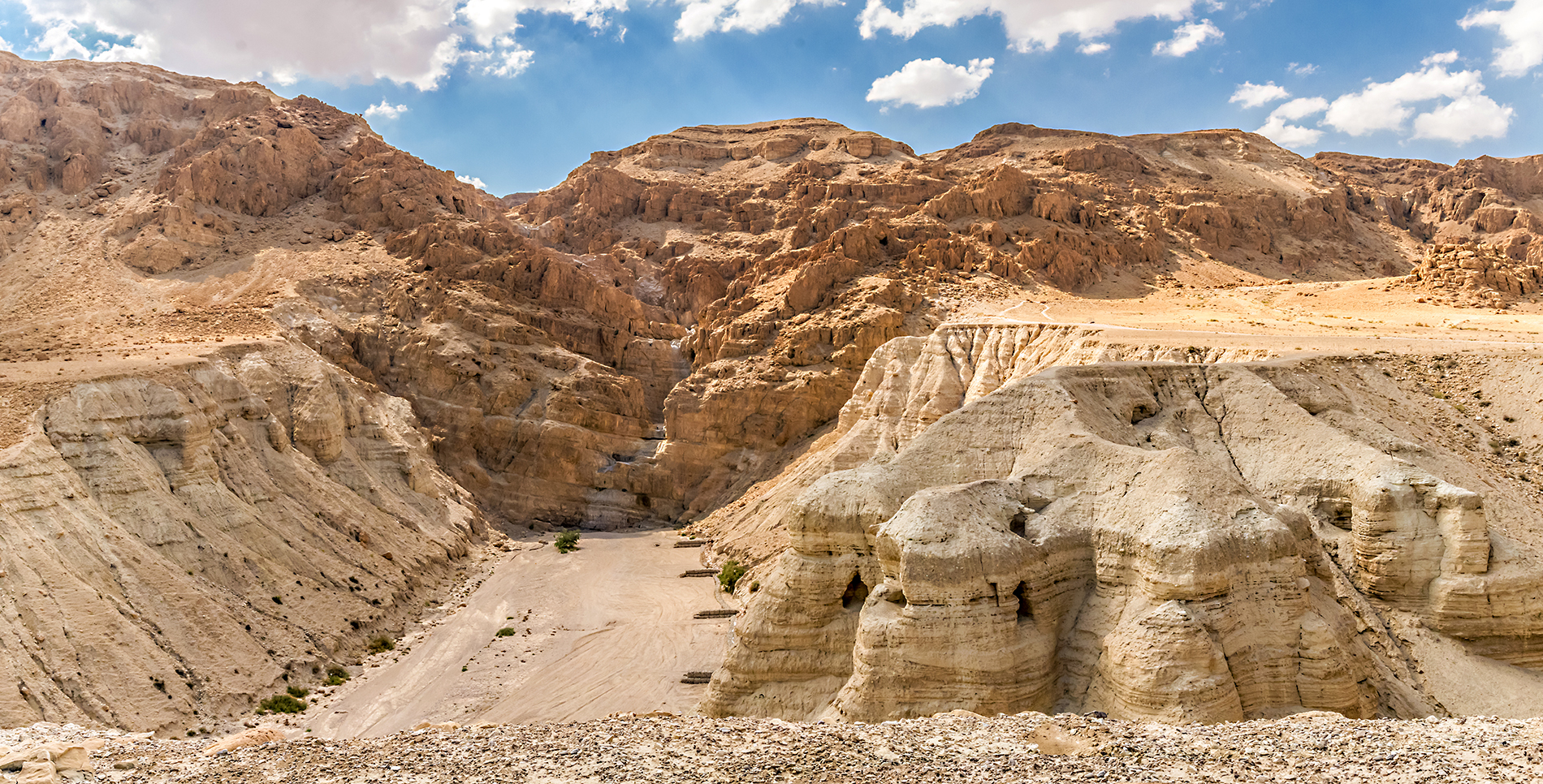
The site of Qumran, near the Dead Sea, in the Judean desert. It is in these caves that precious manuscripts were discovered:
the Dead Sea Scrolls, now on display at the Israel Museum, Jerusalem. Many scientists consider this discovery to be one of the most important of the 20th century © Alefbet. Alefbet.
The foundations of biblical archaeology
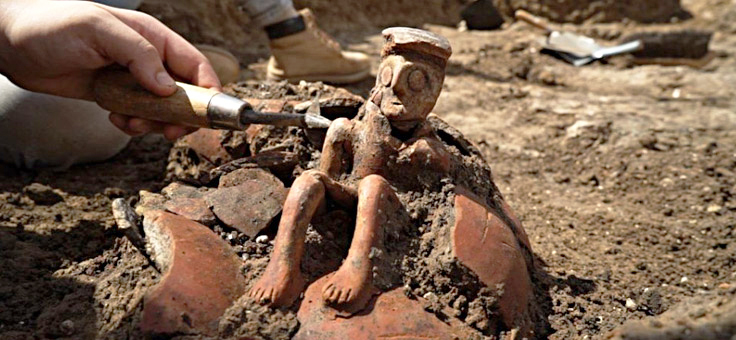 The foundations of this archaeological study which is centered on historical remains of the countries of the Bible first appeared with the publication of a book called “Biblische Archäologie” (1802) by Johann Jahn and then especially with the publication of a work on the travels in Palestine by Edward Robinson (1794-1863), a professor of Biblical literature. This last work called “Biblical Researches in Palestine, Mount Sinai, and Arabia Petraea” (1841), had a considerable impact. Edward Robinson attempted to demonstrate that research in the Holy Land can confirm the accuracy of biblical sources.
Image opposite: a 3,800-year-old pottery (detail) discovered in Yehud, in central Israel. AAI. AAI.
The high point of the early excavations was probably the work done by Charles Warren between 1867 and 1870 around the Temple Mount in Jerusalem, where he studied the foundations of Herod's Temple and explored Hezekiah's tunnel, with its commemorative plaque, containing the famous Paleo-Hebrew inscription which is now on display in the Istanbul Museum.
Subsequently, this discipline developed thanks to organizations such as the Palestine Exploration Fund (1865), the the Deutscher Palästina-Verein (1877), the École Biblique (1890), which became École Biblique et Archéologique Française de Jérusalem,the American School of Oriental Research (1900), nowthe Albright Institute of Archaeological Research, the British School of Archaeology (1919), and those of certain major American universities (Chicago, Pennsylvania) and the Hebrew University of Jerusalem. The work first favored the elaboration of a cartography of the region and the identification of biblical sites.
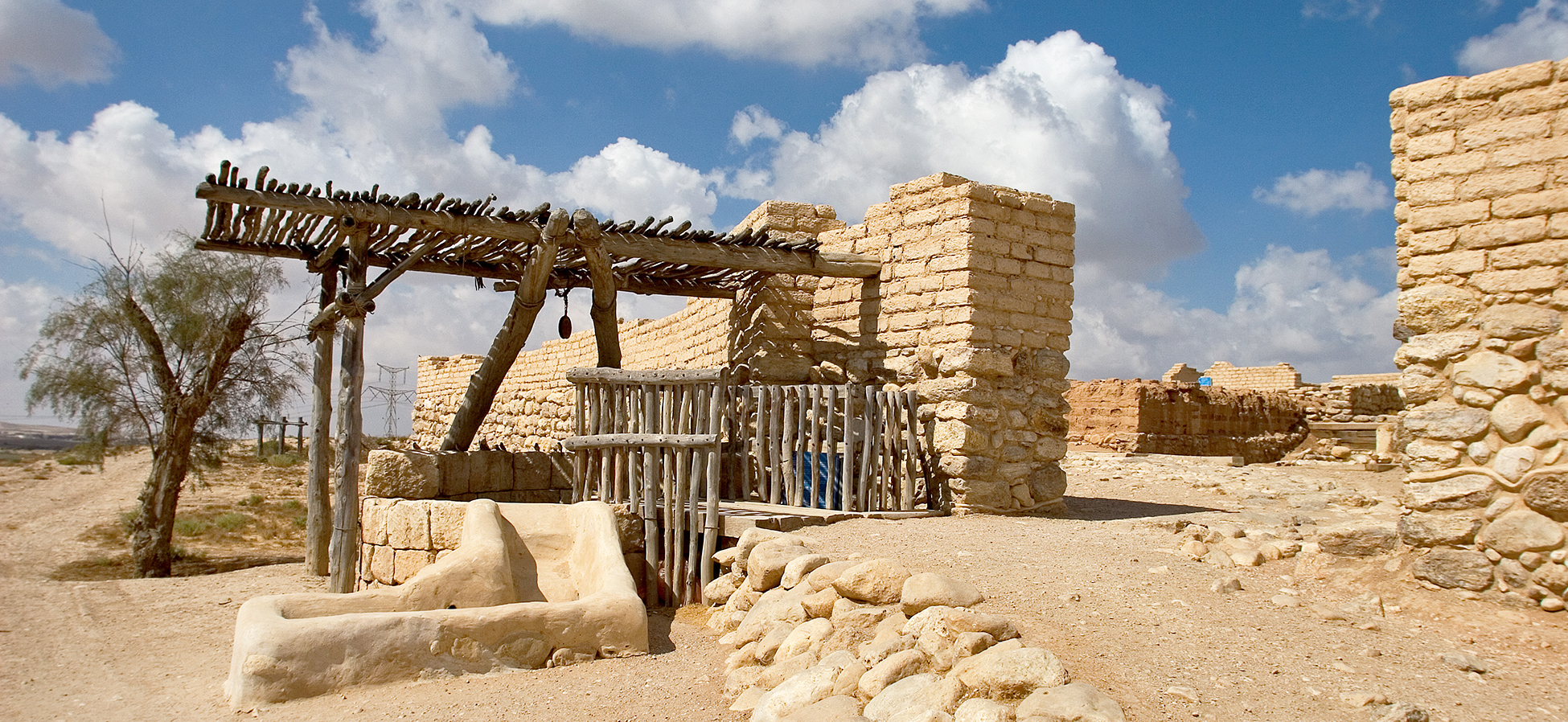
Beersheba is an important archaeological site.
It is a city of the tribe of Simeon located in the southern Levant (Negev), at the limit of the Israelite territory which, at the time of David and Solomon, extended «from Dan to Beersheba» (Judges 20:1). The city of Beersheba, whose name probably means «well of the oath», was famous because of its sanctuary linked by biblical traditions to the patriarchs Abraham, Isaac and Israel-Jacob, and later to the sons of Samuel. © Doron Nissim. © Doron Nissim.
The new methods
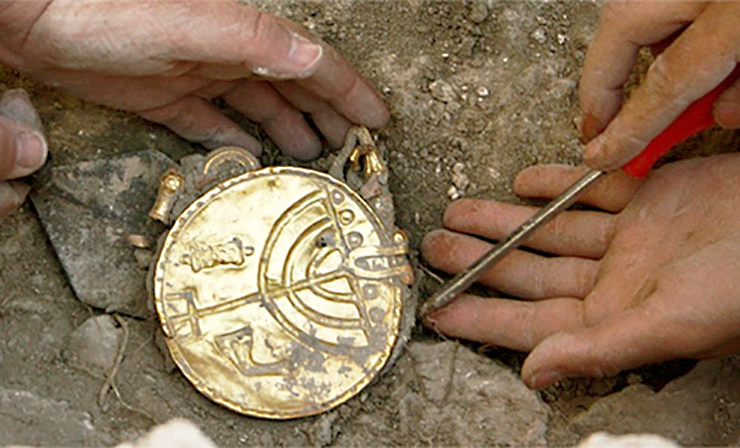 Systematic excavations of some of these sites did not begin until the 1890s, when Sir William Petrie developed what was to become a new method of archaeological analysis that included ceramic typology and stratigraphy. The excavation was carried out progressively, one sedimentary layer at a time, which made it possible to specify the origin of the remains collected in the stratigraphy of the site.
In the 1930s, under the influence of Professor William F. Albright, this discipline was applied by several explorers, including Yigael Yadin (in the 1950s), who travelled throughout the Levant in search of the various places mentioned in the Scriptures.
Image opposite: Archaeologists find a gold medallion from 1,400 years ago on the Ophel in Jerusalem. Ouria Tadmor/Eilat Mazar. © Ouria Tadmor/Eilat Mazar.
At the beginning of the 20th century, excavations concentrated on the main sites such as Jerusalem, Gezer, Megiddo, Jericho, Samaria and still today in Iraq on the ruins of Babylon, with the German archaeologist Koldewey.
After the Second World War, the discipline developed further thanks to Kathleen M. Kenyon; her method implemented on the sites of Jericho and Jerusalem consisted of digging in squares (5 m on each side) separated by earth walls (berms).
As of the end of the 1950s and during the following decade, a group of American archaeologists, including G. Ernest Wright and David Noel Freedman, in collaboration with Israeli researchers Yigael Yadin, Benjamin Maazar and Nah-man Avigad, put these new methods into practice on unexplored or already explored sites: Hazor (now Tell el-Qidah), Ashdod, Gezer and Jerusalem.
During the 1970s, archaeology benefited from the contribution of natural, social and environmental sciences. Computer scientists, geologists, anthropologists, climatologists, ethnologists, zoologists, etc., joined archaeologists to collect data and interpret it. Finally, from the 1970s onwards, after numerous controversies concerning attributions and dating, so-called «biblical» archaeology gave way to archaeology in general.
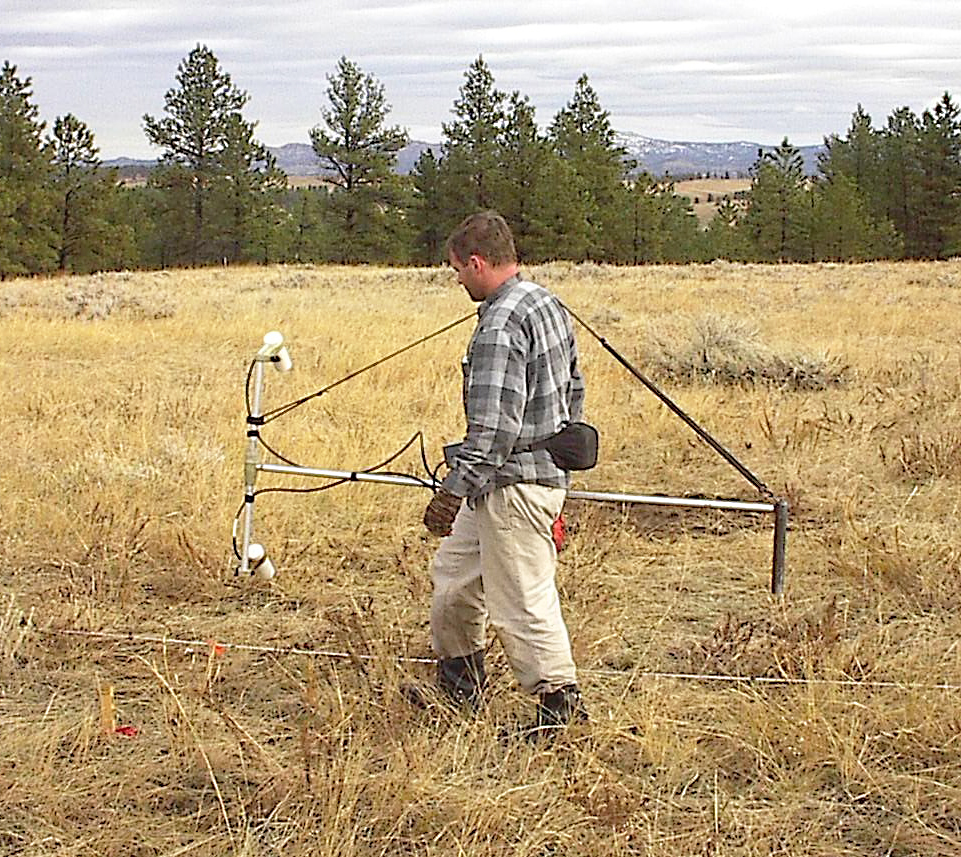
Archaeomagnetism is a branch of paleomagnetism that focuses on the study of the earth's magnetic field patterns recorded in archaeological materials. Public domain.
Archaeomagnetism is a branch of paleomagnetism that focuses on the study of the imprint of the Earth's magnetic field.
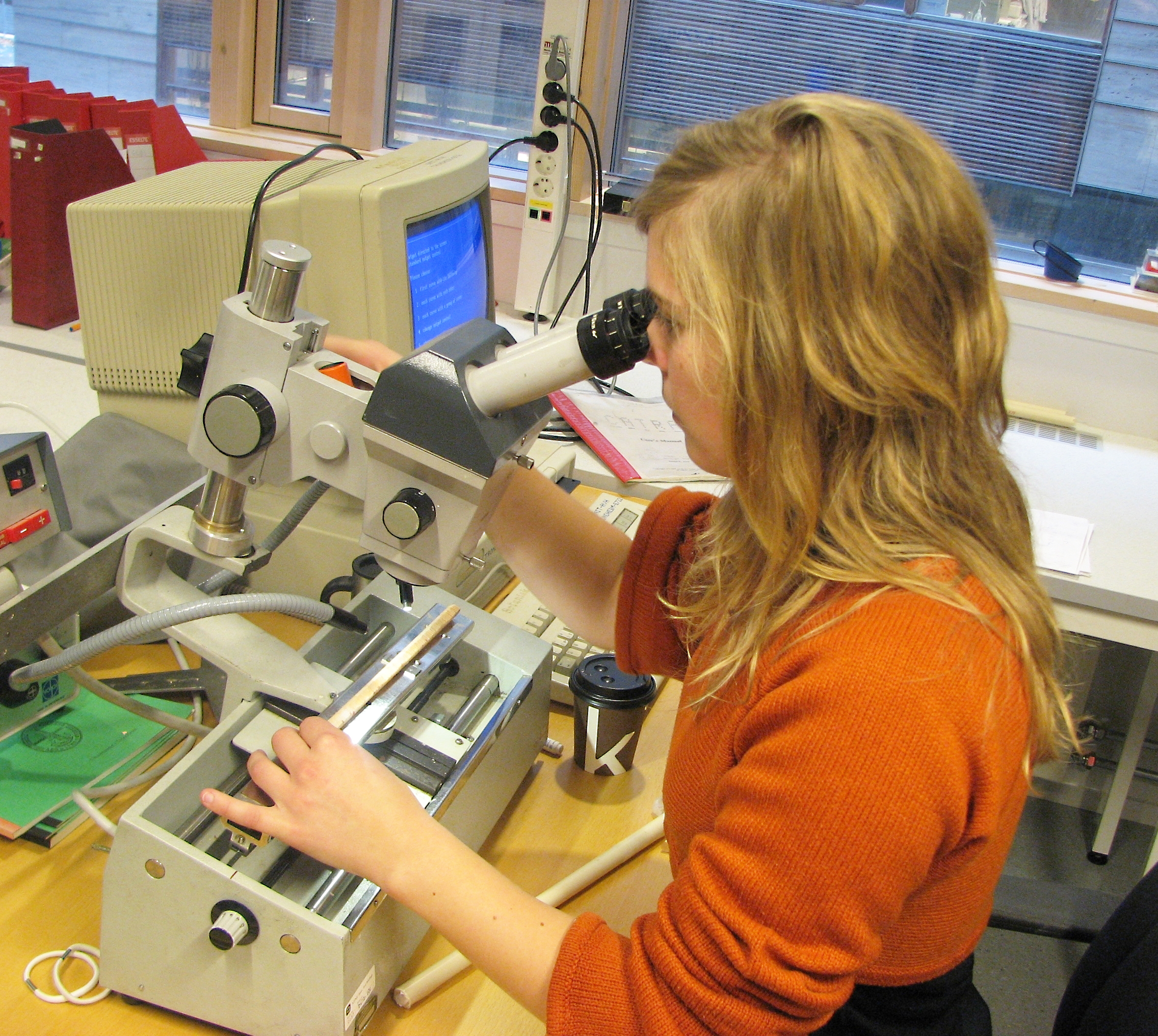
Dendrochronology is a scientific method used to obtain dates for pieces of wood to the nearest year by counting and analyzing the morphology of tree growth rings. Public domain.
Dendrochronology is a scientific method for dating pieces of wood to the nearest year by counting and analyzing the morphology of growth rings.
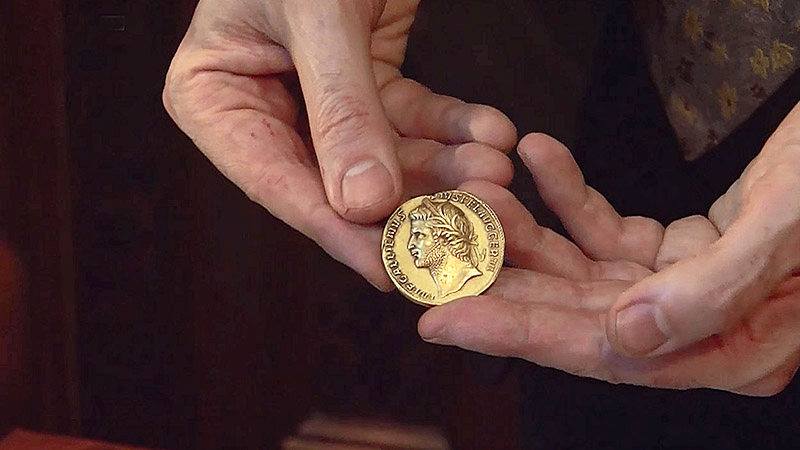
Numismatics is the study of coins and medals. Considered an auxiliary science to history, it is particularly useful for research into ancient history (especially Roman and Greek). It is also used in archaeology, in particular as a dating criterion. Public domain
Numismatics is the study of coins and medals. Considered an auxiliary science to history, it is particularly useful for research into ancient history (especially Roman and Greek). It is also used in archaeology.
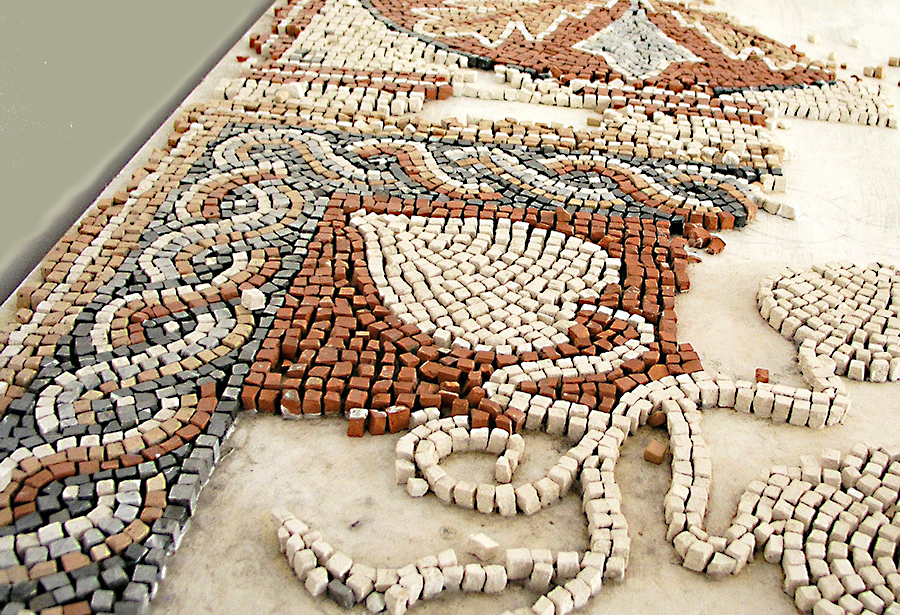
Mosaic is a decorative art in which fragments of stone (marble, granito), colored stone, enamel, glass or ceramic are assembled with putty or plaster to form patterns or figures. Whatever the material used, these fragments are called tesserae. Public domain.
Mosaic is a decorative art in which fragments of stone (marble, granito), colored stone, enamel, glass or ceramic are assembled with putty or plaster to form patterns or figures.